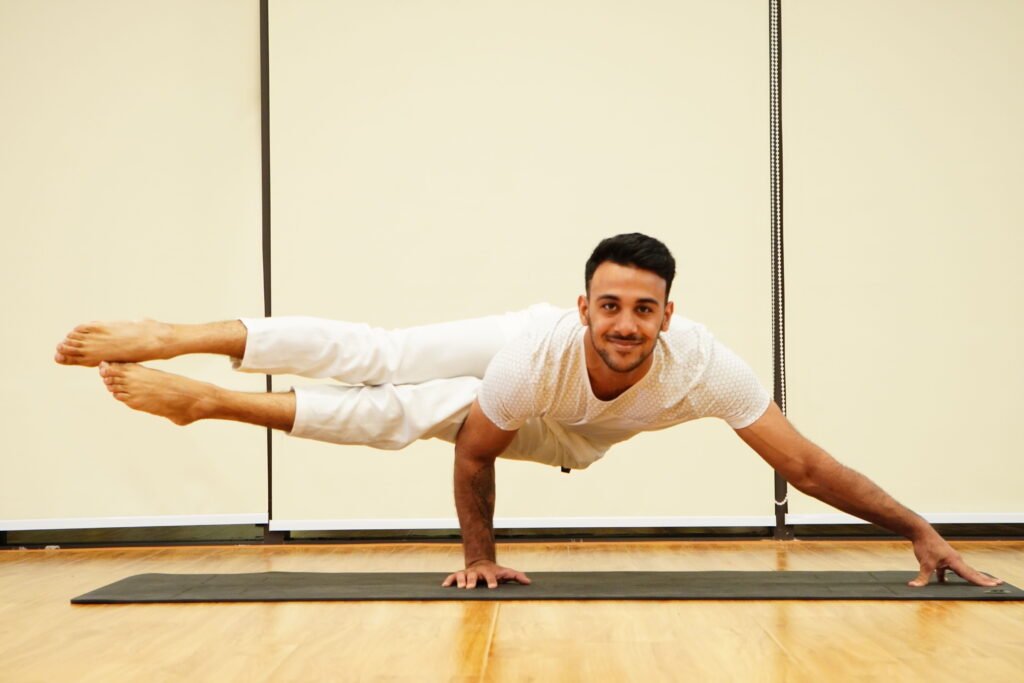
Yoga is a simple practice that improves physical strength, flexibility, mental peace, and overall health. Regular yoga helps reduce stress and keeps the body and mind healthy.
Yoga is an ancient practice that connects the body, mind, and inner self. It has been practiced for thousands of years and has become popular around the world because of its many physical and mental benefits. In today’s busy lifestyle, people often experience stress, tiredness, lack of physical activity, and poor sleep. Regular yoga practice can be a simple and natural way to improve overall well-being and develop a healthier lifestyle.
The word “Yoga” comes from the Sanskrit word “Yuj,” which means to join or unite. Yoga focuses on creating harmony between the body and mind. Although many people think of yoga simply as a form of exercise, it is much more than physical movement. It includes different postures, breathing techniques, meditation, concentration, and relaxation practices. Together, these practices can help people become more aware of their bodies and minds.
Physical Benefits of Yoga
One of the most important benefits of yoga is its positive effect on physical fitness. Different yoga poses can help improve flexibility, balance, strength, and body awareness. Regular practice may help keep the muscles active and improve the body’s range of movement.
Yoga can also be useful for people who spend many hours sitting at a desk or working on a computer. Long periods of sitting can contribute to stiffness and poor posture. Gentle yoga stretches may help improve posture and reduce everyday body stiffness.
Some yoga practices are also physically challenging and can help develop muscular strength and endurance. However, beginners should always start with simple movements and gradually progress according to their ability.
Yoga for Mental Well-Being
Modern life can be stressful. Work, education, family responsibilities, financial concerns, and constant use of technology can make it difficult for people to relax. Yoga can provide an opportunity to slow down and focus on the present moment.
During yoga practice, people often pay attention to their breathing and body movements. This can encourage relaxation and mindfulness. Meditation and breathing exercises can also help people develop better concentration and become more aware of their thoughts and emotions.
Regular relaxation practices may help people manage everyday stress more effectively. Yoga is not a replacement for professional medical or mental-health treatment, but it can be a useful part of a healthy lifestyle.
The Importance of Breathing
Breathing is an important part of yoga. Many yoga practices include controlled breathing exercises, traditionally known as pranayama. These exercises encourage people to pay attention to how they breathe and to practice slow, controlled breathing.
Conscious breathing can help create a feeling of relaxation and improve concentration during practice. Beginners should start with simple breathing exercises and avoid advanced techniques without proper instruction.
Yoga for Beginners
Starting yoga does not require advanced flexibility or experience. Anyone can begin with simple poses and gentle stretching. Beginners should focus on learning correct techniques instead of trying to perform difficult poses immediately.
A beginner may start with 10 to 20 minutes of yoga each day. As the body becomes more comfortable with the movements, the practice can gradually become longer or more advanced.
It is important to listen to the body during yoga. Yoga should not be treated as a competition. Every person’s body is different, and progress may happen at a different pace. If a movement causes pain, dizziness, or unusual discomfort, the exercise should be stopped.
Different Types of Yoga
There are many different styles of yoga, and each one has its own approach. Hatha Yoga generally focuses on basic postures and controlled practice. Vinyasa Yoga connects movement with breathing and often follows a flowing sequence. Ashtanga Yoga is a more structured and physically demanding style.
Yin Yoga uses slower, longer-held positions and focuses on gentle stretching and relaxation. Restorative Yoga uses supported poses to encourage relaxation and rest.
Choosing a suitable style depends on a person’s goals, fitness level, experience, and personal preference. Beginners may find it helpful to learn from a qualified yoga instructor.
Yoga and a Healthy Lifestyle
Yoga works best when it is combined with other healthy habits. A balanced diet, regular physical activity, adequate sleep, sufficient water, and good daily routines are all important for overall health.
Eating a variety of nutritious foods can provide the body with the energy and nutrients it needs. Getting enough sleep allows the body and mind to recover. Regular movement throughout the day can also complement yoga practice.
Instead of thinking of yoga as a quick solution, it is better to view it as part of a long-term healthy lifestyle.
Yoga and Self-Awareness
Another valuable aspect of yoga is self-awareness. During a yoga session, people learn to notice their breathing, posture, movements, and physical sensations. This awareness can help individuals understand their bodies better.
Yoga also encourages patience. Progress does not always happen quickly. Some poses may feel difficult at first, but consistent practice can gradually improve comfort and confidence. The goal is not to achieve perfection but to develop a healthier relationship with the body and mind.
Yoga in Everyday Life
The benefits of yoga do not have to remain limited to the yoga mat. The principles of mindfulness, controlled breathing, patience, and awareness can also be applied to everyday situations.
For example, taking a few slow breaths during a stressful moment can provide an opportunity to pause and regain focus. Maintaining better posture while sitting or walking can also become part of everyday body awareness.
Even a short daily yoga routine can create a positive habit. The key is consistency rather than spending a large amount of time exercising occasionally.
Conclusion
Yoga is a powerful and accessible practice that can support both physical and mental well-being. It can help improve flexibility, balance, strength, body awareness, relaxation, and mindfulness. In a world where people often struggle with stress and inactive lifestyles, yoga offers an opportunity to slow down, move the body, and reconnect with the mind.
Anyone interested in starting yoga can begin with simple exercises and gradually develop a regular routine. There is no need to compare yourself with others or attempt difficult poses immediately. Patience, consistency, proper technique, and listening to your body are the most important parts of a successful yoga practice.
When combined with healthy eating, good sleep, regular movement, and positive daily habits, yoga can become an important part of a balanced lifestyle. Whether your goal is to become more flexible, improve physical fitness, relax after a busy day, or simply spend more time caring for yourself, yoga can provide a meaningful path toward a healthier and more peaceful life.